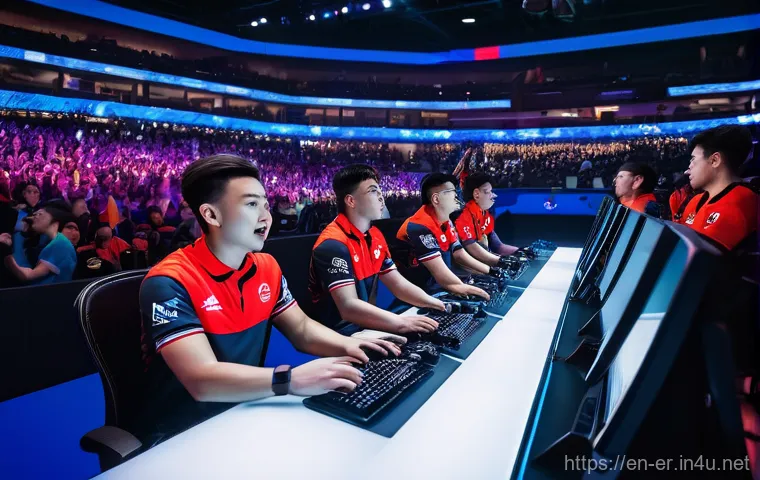
Hey everyone, it’s your favorite guide through the wild world of gaming, and today we’re diving headfirst into something I’ve been obsessing over: the future of Eternal Return’s global competitive scene.
If you’re anything like me, you’ve spent countless hours on Lumia Island, honing your skills, crafting that perfect build, and maybe even cursing a few unlucky critical hits.
But beyond our personal triumphs (and occasional rage quits), there’s a fascinating, ever-evolving esports landscape taking shape. We’ve seen incredible highs, fierce regional battles, and some truly unexpected meta shifts that keep us all on our toes.
From what I’ve observed, having followed its journey from early access to its current Season 7, this game has a unique pulse in the competitive arena, especially with its MOBA-meets-Battle-Royale hybrid gameplay.
The big question on everyone’s mind is, how will Eternal Return truly carve out its place as a top-tier global esport in the years to come? It’s not just about player count, though that’s always a factor, but also about the balance of regional dominance, the format of international tournaments, and how Nimble Neuron continues to innovate.
Let’s dig into what’s next for Eternal Return on the global stage, and how it can solidify its legendary status. Curious about what makes Eternal Return tick in the esports world and what the next big moves could be?
Let’s accurately find out all the details.
The Shifting Sands of Regional Power
When I first dipped my toes into Lumia Island, I quickly realized that Eternal Return had this incredible potential to be a global phenomenon. And honestly, it’s delivered in so many ways.
We’ve seen incredible regional rivalries develop, with teams from Korea, North America, Europe, and even a burgeoning scene in Southeast Asia all vying for dominance.
What’s truly fascinating is how the meta evolves differently in each region; a strategy that’s ironclad in one server might crumble in another, showcasing the depth of strategic thinking players put into this game.
I’ve spent countless hours watching streams, not just from my local heroes but from across the globe, just to see what kind of wacky, brilliant, or utterly devastating builds they’re cooking up.
This regional diversity is a double-edged sword, though. While it breeds unique playstyles, it also means that sometimes, one region can feel a little isolated from the global narrative, making it harder for casual viewers to latch onto the grander story of who the “best” truly is.
Nimble Neuron has a real opportunity here to bridge these gaps, perhaps with more inter-regional league play or unique global events that blend these distinct flavors of play.
I personally believe that truly understanding the strengths and weaknesses of each regional approach is key to developing a robust global competitive ecosystem that keeps everyone engaged, from the hardcore fan to the curious newcomer just looking for some high-octane action.
The Evolution of Regional Metas
It’s genuinely wild to see how different regions approach the game. For instance, I’ve noticed a clear preference for aggressive, early-game snowballing compositions in some Asian regions, while in others, especially in Europe, teams often favor a more calculated, late-game scaling approach, playing for those decisive final zone fights.
This isn’t just theorycrafting; you can see it unfold in every single game. I recall a specific tournament last year where a North American team, known for their early objective control, went head-to-head with a Korean squad famous for their pristine pathing and late-game itemization.
The clash of styles was magnificent, a true testament to the strategic depth of Eternal Return. Understanding these nuanced regional metas isn’t just for the pros; it’s a huge part of what makes watching the global scene so captivating.
Bridging the Gap: More Cross-Regional Showdowns
To truly elevate Eternal Return as a global esport, I honestly think we need more opportunities for these regional titans to clash outside of just the major international tournaments.
Imagine a “Champions’ Gauntlet” series held mid-season, pitting the top two teams from each major region against each other in a round-robin format. Not only would this provide invaluable experience for the teams, helping them adapt to diverse playstyles, but it would also generate immense hype and content for fans globally.
From my perspective, these smaller, high-stakes events are crucial for building ongoing narratives and showcasing the evolution of competitive play throughout the year, rather than just focusing on one or two big annual events.
Innovating Tournament Formats for Global Appeal
The core of any thriving esport is its competitive structure, and for Eternal Return, this is an area ripe for innovation. We’ve seen various formats over the seasons, from single-elimination brackets that deliver heart-stopping tension to group stages that allow for more strategic depth.
But to truly stand out on the global stage, I believe we need to constantly experiment and refine how these tournaments are run. My personal preference leans towards formats that reward consistent performance while still leaving room for those Cinderella stories we all love.
It’s a fine balance, because too much predictability can make things stale, but too much randomness can feel unfair. I’ve been in a few community-run tournaments myself, and even at that level, the discussions around format are intense!
Everyone wants a fair shot, but also a thrilling spectacle. The way points are awarded, the number of games played, and even the selection of maps or phases can all contribute to a more engaging viewer experience and a fairer competitive environment.
A well-crafted format can truly elevate the narrative of a tournament, turning it from a simple series of matches into an epic saga.
Beyond the Standard Bracket: Points, Playoffs, and Persistence
While traditional brackets have their charm, I’ve always found that a blend of group stages leading into a well-structured playoff system often yields the most satisfying results.
Imagine a robust league play system throughout the year, culminating in regional playoffs, and then a grand global championship. This ensures that only the most consistent and adaptable teams make it to the top.
I particularly like formats that incorporate a points system based on placement and kills within each game, rather than just wins and losses. This rewards aggressive play and keeps every single match engaging, even if a team isn’t ultimately going to win the entire tournament.
It’s something I’ve seen work wonders in other Battle Royale titles, keeping the intensity high until the very last circle.
Engaging Viewers with Dynamic Spectator Experiences
Let’s be honest, watching a game is only half the battle; the presentation is everything. I’m talking about things like dynamic camera angles that truly capture the chaos of a teamfight, or real-time overlays that show detailed player stats, item builds, and even ping.
I’ve always wished for more interactive elements during live broadcasts, perhaps even allowing viewers to vote on specific camera perspectives or to highlight certain player POVs.
Think about how much more immersive it would be if you could seamlessly switch to your favorite player’s perspective during a crucial moment. Nimble Neuron has already done a great job with in-game spectating, but for broadcast, taking it to the next level will be key.
This means investing in top-tier broadcast talent, analysts who can truly break down complex strategies, and production quality that rivals traditional sports.
Balancing Accessibility with High-Level Play
Eternal Return, with its unique blend of MOBA character abilities and Battle Royale survival, presents a fascinating challenge: how do you make it easy enough for new players to jump in and have fun, while still offering the insane strategic depth that keeps pros coming back?
This balance is absolutely crucial for long-term growth. I remember my first few games were a complete disaster – I died to wild animals more often than to other players!
But the learning curve, while steep, felt incredibly rewarding as I slowly grasped the intricacies of crafting, pathing, and combat. The game’s success on a global competitive scale hinges on its ability to attract a steady stream of new talent, which means it needs to be accessible.
However, it also needs to maintain that high skill ceiling that makes watching professionals so mesmerizing. It’s a delicate tightrope walk that many games struggle with, but I truly believe Eternal Return has the foundation to pull it off, especially with smart design choices and community engagement.
Lowering the Barrier for Entry: Onboarding New Players
For a new player, Lumia Island can feel incredibly overwhelming. There’s so much to learn: character abilities, crafting recipes, optimal pathing, animal routes, and enemy spawns.
From my own experience, the initial tutorial, while helpful, barely scratches the surface. I think there’s a massive opportunity to create more in-depth, interactive learning tools within the game itself.
Imagine a “Pathing Practice” mode where you can follow optimal routes for specific characters, or a “Combat Training” arena to practice skill shots and combos against AI.
Simple quality-of-life changes, like clearer UI elements for crafting ingredients or a more intuitive in-game item shop, could significantly reduce the initial frustration for newcomers.
The more easily new players can grasp the fundamentals, the faster the player base can grow, directly impacting the competitive scene’s talent pool.
Maintaining the Skill Ceiling: Rewarding Mastery and Adaptability
While accessibility is vital, we absolutely cannot sacrifice the elements that make high-level Eternal Return so captivating to watch. The depth of character matchups, the intricate crafting decisions, the real-time adjustments to zone shrinkage, and the calculated risks taken in teamfights – these are the hallmarks of mastery.
I’ve seen pros make plays that literally defy logic, predicting enemy movements three steps ahead, or executing perfect rotations that secure objectives out of thin air.
This is where the game shines brightest. Nimble Neuron needs to continue to support this depth through balanced updates, new character releases that offer unique strategic options, and a commitment to competitive integrity.
The ability to adapt to ever-changing metas, experiment with unconventional builds, and consistently outmaneuver opponents is what separates the good from the truly great in Eternal Return.
Player Pathways: Nurturing the Next Generation of Stars
Every esport needs a robust pipeline for new talent, and Eternal Return is no different. We’ve seen incredible stories of players rising through the ranks, from community tournaments to the biggest stages.
But to truly solidify its global competitive future, there needs to be a clearer, more defined pathway for aspiring pros. I’ve personally seen countless talented players in ranked queues who simply don’t know how to take that next step into competitive play.
It’s not just about raw mechanical skill; it’s about understanding team dynamics, shot-calling, and the mental fortitude required for high-stakes matches.
Building a sustainable ecosystem means investing in these developmental stages, fostering an environment where talent can be identified, nurtured, and eventually integrated into professional teams.
Without a strong grassroots foundation, the top tier can only grow so much.
Developing Grassroots and Collegiate Programs
For many emerging esports, collegiate leagues and well-supported grassroots tournaments are the lifeblood of future talent. Imagine university-sponsored Eternal Return teams competing in national leagues, or local community hubs hosting weekly amateur tournaments.
I truly believe that establishing official support and resources for these smaller-scale competitions could unearth so many hidden gems. These environments are perfect for players to develop their skills in a lower-pressure setting, learn teamwork, and gain valuable competitive experience.
It’s how many of today’s top pros in other games got their start, and I see no reason why Eternal Return couldn’t replicate that success with a dedicated effort.
Scouting and Mentorship: Guiding Aspiring Pros
Beyond just providing platforms, there needs to be a more formalized system for scouting and mentorship. Professional teams and even Nimble Neuron itself could play a more active role in identifying promising talent from high-ranked queues or community tournaments.
Once identified, these players could benefit immensely from mentorship programs, where seasoned pros or coaches offer guidance on everything from VOD review to mental resilience.
I’ve always thought it would be amazing to see a “rookie combine” where top amateur players could showcase their skills to pro teams. This kind of structured support isn’t just about finding the next star; it’s about building a sustainable career path for players, making esports a viable and respected profession.
The Economic Engine: Sponsorships, Merch, and the Viewer Experience
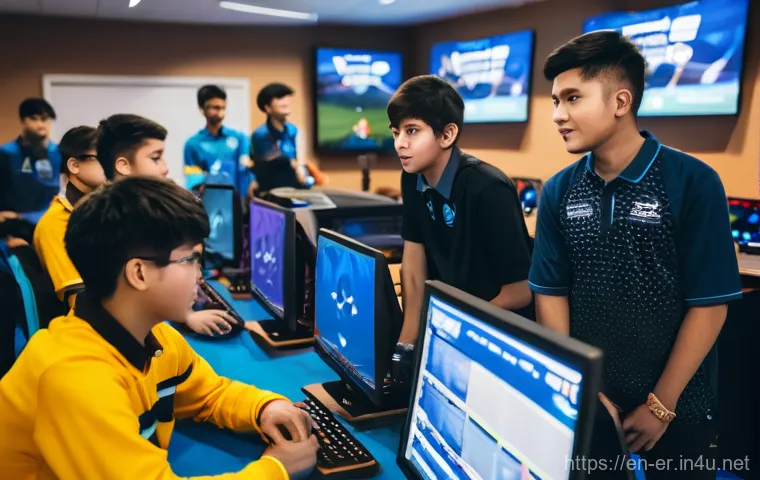
For any esport to truly thrive globally, it needs a strong economic foundation. This isn’t just about prize pools, though those are undeniably important.
It’s about creating a sustainable ecosystem where teams can afford to pay their players a living wage, organizations can invest in infrastructure, and the game developer can continue to pour resources into competitive support.
From what I’ve seen, the most successful esports have robust sponsorship deals, a passionate fanbase willing to buy merchandise, and compelling viewership numbers that attract advertisers.
Eternal Return has all the ingredients for this, but it requires strategic cultivation. I’ve personally shelled out for some limited-edition ER merch because I love supporting the game, and I know I’m not alone!
The challenge is scaling that passion into a significant economic force that secures the game’s competitive future for years to come.
Attracting Big-Name Sponsors and Brand Partnerships
To elevate Eternal Return’s competitive scene, securing major brand sponsorships is absolutely critical. This goes beyond just endemic gaming brands; we need to see non-endemic companies, those outside the gaming sphere, recognizing the value and reach of the Eternal Return audience.
This means showcasing clear viewership metrics, demonstrating a passionate and engaged community, and highlighting the unique demographics that Eternal Return attracts.
I think Nimble Neuron could create more tailored sponsorship packages that offer brands unique in-game activations or exclusive content opportunities, moving beyond just logo placement.
Imagine an energy drink brand sponsoring a specific in-game event or a tech company powering the official broadcast. These kinds of partnerships are essential for injecting significant capital into the ecosystem.
Merchandise and Fan Engagement: Beyond In-Game Skins
While in-game skins are fantastic, and I’ve certainly bought my fair share, physical merchandise offers another crucial revenue stream and a way for fans to express their allegiance.
I’m talking about high-quality jerseys, collectible figures of our favorite characters, plushies of the wild animals, and even lifestyle apparel. The key here is quality and variety.
I’ve often thought about how cool it would be to have limited-edition drops tied to major tournaments or specific character releases. Beyond merchandise, fostering interactive fan engagement during broadcasts, like live polls or fantasy leagues, can also deepen viewer investment and indirectly boost the economic viability by increasing dwell time and overall interest.
It’s all about creating a culture where fans are proud to show their love for the game, both in-game and out.
| Factor | Impact on Global Esports Growth | Potential Initiatives for Eternal Return |
|---|---|---|
| Regional Diversity | Adds unique meta perspectives but can create silos. | Implement more cross-regional exhibition matches and inter-league play before major tournaments. |
| Tournament Format | Determines fairness, excitement, and viewership retention. | Explore hybrid formats combining league play with intense playoffs; incorporate point systems for consistent performance. |
| Player Onboarding | Crucial for expanding the player base and talent pool. | Develop advanced in-game tutorials, practice modes, and comprehensive beginner guides. |
| Economic Sustainability | Funds teams, events, and overall game development. | Target non-endemic sponsors, diversify merchandise offerings, and enhance interactive viewer experiences. |
Community at the Core: Fostering a Global Fandom
You know, at the end of the day, an esport is only as strong as its community. And Eternal Return, I’ve got to say, has one of the most passionate and dedicated fanbases I’ve ever been a part of.
From the theorycrafters dissecting every patch note to the artists creating incredible fan art, and the content creators tirelessly putting out guides and entertainment – this community is a powerhouse.
For Eternal Return to truly hit its stride as a global esport, Nimble Neuron needs to continue to actively nurture and empower this community. It’s not just about broadcasting tournaments; it’s about listening to feedback, celebrating fan contributions, and creating inclusive spaces where everyone feels welcome.
I’ve spent countless hours chatting with fellow players in Discord servers, sharing strategies, celebrating wins, and commiserating over tough losses.
That sense of camaraderie is irreplaceable and is the bedrock upon which a legendary esport is built.
Empowering Content Creators and Community Organizers
Content creators and community tournament organizers are the unsung heroes of any esport. They’re the ones putting in the grinding hours to keep the game alive between official events, generating hype, and engaging new players.
I really think Nimble Neuron should explore more robust support programs for these individuals and groups, perhaps through dedicated creator programs that offer in-game benefits, promotional support, or even direct funding for community events.
Imagine official “Community Spotlight” features on the main website or dedicated developer Q&A sessions specifically for top creators. From my personal experience running a small community hub, even a little recognition goes a very long way in motivating people to keep contributing their time and passion.
Building Inclusive Global Fan Experiences
A truly global esport needs to cater to a global audience, and that means going beyond just English broadcasts. While English is the lingua franca for many, providing high-quality broadcast and content support in multiple languages, especially for major regional scenes, is absolutely crucial.
Think about localized watch parties, community events tailored to specific cultural contexts, or even regional fan conventions. Making sure that fans from all corners of the world feel directly connected to the competitive scene, not just as passive viewers but as active participants, will be key to cultivating that deep, lasting loyalty that transcends national borders.
Tech and Transparency: The Role of Spectator Tools and Anti-Cheat
In the realm of competitive gaming, trust and fairness are paramount. If players and viewers don’t believe in the integrity of the game, the entire competitive structure can crumble.
This is where robust technology comes into play – specifically, top-tier anti-cheat systems and advanced spectator tools. I’ve personally experienced games where a suspected cheater completely ruined the competitive integrity for everyone involved, and it’s a feeling no one wants.
For Eternal Return to truly establish itself as a legitimate global esport, Nimble Neuron must continuously invest in these areas. It’s not just about catching cheaters; it’s about making the game fair for everyone and providing the best possible viewing experience so that the skill and dedication of the pros truly shine through.
Fortifying Anti-Cheat Measures for Competitive Integrity
Let’s be blunt: cheating kills esports. Nothing sours the competitive spirit faster than suspicion of foul play. Nimble Neuron has a responsibility to maintain the highest standards of competitive integrity, and that means continuously evolving their anti-cheat measures.
This isn’t a one-time fix; it’s an ongoing battle against sophisticated exploits. Transparency around anti-cheat efforts, even if it’s just general updates on new detection methods or ban waves, can go a long way in building trust within the community.
I’ve always advocated for a zero-tolerance policy, because protecting the legitimacy of the competition is paramount. When players feel confident that every match is fair, they’re more likely to dedicate themselves to mastering the game, and viewers can truly appreciate the pure skill on display.
Next-Level Spectator Experience and Data Visualization
For viewers, the ability to fully understand what’s happening in a chaotic teamfight or a complex rotation is essential. I’ve seen some esports titles revolutionize their spectator tools, offering incredible data overlays, player cams, and even interactive replays.
For Eternal Return, I envision an ideal spectator experience that includes detailed, real-time character stats, item progression charts, and perhaps even heatmaps showing player movement and engagement zones.
Imagine being able to see a player’s exact crafting path laid out on the map, or how much damage each team member is contributing in a specific fight.
Providing analysts and commentators with these powerful tools allows them to tell a richer story, making the game more accessible and exciting for a broader audience.
It’s about pulling back the curtain and showing the incredible depth of strategy that often goes unnoticed by the casual viewer.
Wrapping Things Up
Phew, what a journey we’ve been on, right? From the strategic depths of regional metas to the crucial role of community and the economic engines driving our beloved game, it’s clear Eternal Return has a bright, albeit challenging, future ahead.
For me, personally, seeing this game grow from its early access days to a burgeoning global esport has been incredibly fulfilling. It truly feels like we’re all part of something special, building this competitive world together.
My biggest hope is that Nimble Neuron continues to listen, innovate, and empower the players and creators who make Lumia Island feel like home.
Handy Tips for Your Eternal Return Journey
1. Dive into Diverse Streams: Don’t just stick to your local heroes! Watch streamers and competitive matches from different regions like Korea, Europe, and North America. You’ll be amazed at the unique strategies and character builds that emerge, which can seriously elevate your own gameplay. It’s like getting free coaching from the best of the best, just by observing.
2. Join Community Events: The official tournaments are awesome, but the heartbeat of Eternal Return often lies in its community-run events. Look for local Discord servers, amateur leagues, or even casual custom games. These are fantastic low-pressure environments to practice teamwork, try out new characters, and meet fellow players who share your passion for Lumia Island.
3. Master the Crafting Game: Eternal Return’s unique crafting system is often what separates good players from great ones. Spend some time in practice mode or even a few AI matches just focusing on your pathing and crafting routes. Knowing your item builds inside and out, and efficiently gathering materials, will give you a massive advantage in any competitive scenario.
4. Support Your Favorite Creators: Content creators and pro players pour countless hours into making guides, entertaining streams, and competitive VODs. Liking, sharing, subscribing, or even checking out their merchandise can go a long way in helping them continue to produce high-quality content that benefits the entire community. It’s a win-win for everyone!
5. Stay Engaged with Updates: Nimble Neuron is constantly refining Eternal Return, and understanding the patch notes is crucial. Keep an eye on official announcements, developer blogs, and social media for balance changes, new characters, and event details. Staying informed helps you adapt to the evolving meta and keeps your strategies fresh and effective.
Key Takeaways
Ultimately, Eternal Return’s journey to becoming a top-tier global esport is an exciting marathon, not a sprint. It hinges on continuous innovation in tournament formats, fostering a vibrant and inclusive community, relentless vigilance against cheating, and strategically building robust player pathways.
By focusing on these pillars, and continuously nurturing the incredible passion of its global player base, Eternal Return has all the ingredients to cement its place in the competitive gaming landscape for years to come.
Frequently Asked Questions (FAQ) 📖
Q: How can Eternal Return truly break through and attract a massive global audience, especially when the esports scene is so competitive and full of established titles?
A: This is the million-dollar question, isn’t it? From what I’ve seen, Eternal Return has a solid core, but to really expand globally, it needs to lean into what makes it unique while making it incredibly inviting.
Its hybrid MOBA-Battle Royale nature is a fantastic hook, but it can also be a little intimidating for new viewers who aren’t familiar with both genres.
I genuinely believe that focusing on engaging content creators and streamers is key – people often discover new games through their favorite personalities.
Beyond that, Nimble Neuron could really shine by creating more accessible in-game tutorials that explain the competitive nuances, not just the basics, and by consistently producing high-quality broadcast content that’s easy for even casual fans to follow.
Imagine short, digestible highlight reels that explain complex build paths or team fight strategies! I’ve always felt the game’s distinct visual style and character designs are a massive asset that, with the right marketing push, could really captivate a wider audience.
It’s all about telling the game’s story and its competitive drama in a way that resonates with everyone.
Q: What does the ideal international tournament structure look like for Eternal Return to solidify its place as a premier global esport?
A: This is something I’ve spent a lot of time thinking about, especially as someone who loves following the journey from local skirmishes to global showdowns.
For Eternal Return, I envision a robust system of regional qualifiers – think North America, Europe, Asia, and maybe even South America – culminating in a truly epic World Championship.
But here’s the twist: it shouldn’t just be about the final big event. I’d absolutely love to see more frequent international “showdown” events throughout the year, even smaller ones, that pit top regional teams against each other.
This would build fascinating rivalries and narratives, giving us fans more to cheer for than just one or two major tournaments. From my experience watching other esports, when teams from different metas clash and adapt, that’s when the real magic happens and the viewership really skyrockets.
A clear, transparent “path to pro” for aspiring players and teams, perhaps integrated with community tournaments, would also fuel the competitive fire and ensure a constant influx of new talent.
Q: How does Eternal Return’s unique MOB
A: -meets-Battle Royale gameplay affect its competitive integrity and long-term viewership as an esport? A3: Oh, this is such a fascinating aspect of Eternal Return, and honestly, it’s both its superpower and its biggest challenge in the esports world.
The Battle Royale elements, with their inherent randomness in item drops and zone closures, can sometimes lead to moments that feel a bit, shall we say, “unlucky” from a purely competitive standpoint.
This can be frustrating for pro players and even some viewers who crave absolute consistency. However, this is precisely where the MOBA elements swoop in to save the day!
The deep character matchups, intricate item crafting, objective control, and skill expression in team fights provide incredible depth and strategic layers that absolutely reward skill.
When a team meticulously plans their routes, crafts that perfect late-game weapon, and executes a flawless engage, it’s pure poetry in motion – truly one of the most satisfying things to watch in any esport, in my opinion.
The key for Nimble Neuron, and what I’ve been observing them do really well, is to continually fine-tune the balance. They need to ensure that skill and strategic decision-making are consistently the dominant factors, even amidst the exciting chaos that the Battle Royale aspects bring.
It’s that delicate dance between controlled strategy and unpredictable excitement that keeps us all coming back for more.